
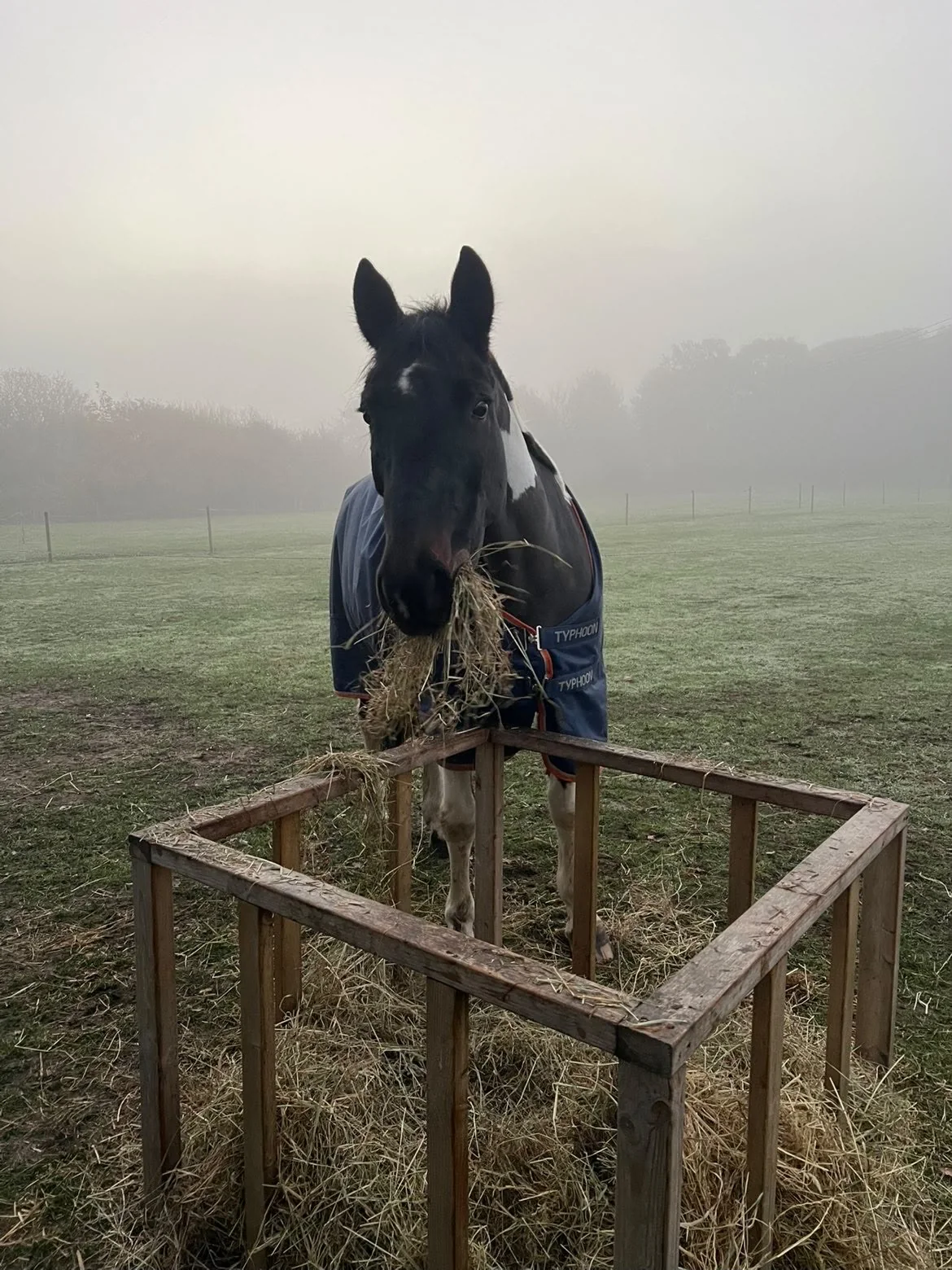
Quick answer: What should I plan for winter?
Start with the visits and cover you have available. Agree what happens when turnout changes, where the next supply of forage and water will come from, and when your horse will next be checked. Review the weather for that gap and use what you see at the yard to decide whether the usual plan still works.
Build a daily routine around work
Write down the earliest and latest times you can reliably get to the yard. If you share care, agree who is doing each job and how they’ll tell you when it’s done. A short handover is enough if it says what changed and who is next.
- Before work. Check your horse in person, check water and forage, and confirm turnout arrangements for the day.
- Before you leave in the evening. Check your horse again and look at the forecast between now and the next visit. Confirm who is covering any extra check or change.
- If you’re held up. Contact the person you’ve agreed can cover. Tell them what you need checked, where the kit is and how to get hold of you.
For example, if you can get there at 7 am and 6 pm, write those times into the plan and agree how any extra checks will be covered. Use a routine that meets your horse’s needs and fits the yard’s arrangements.
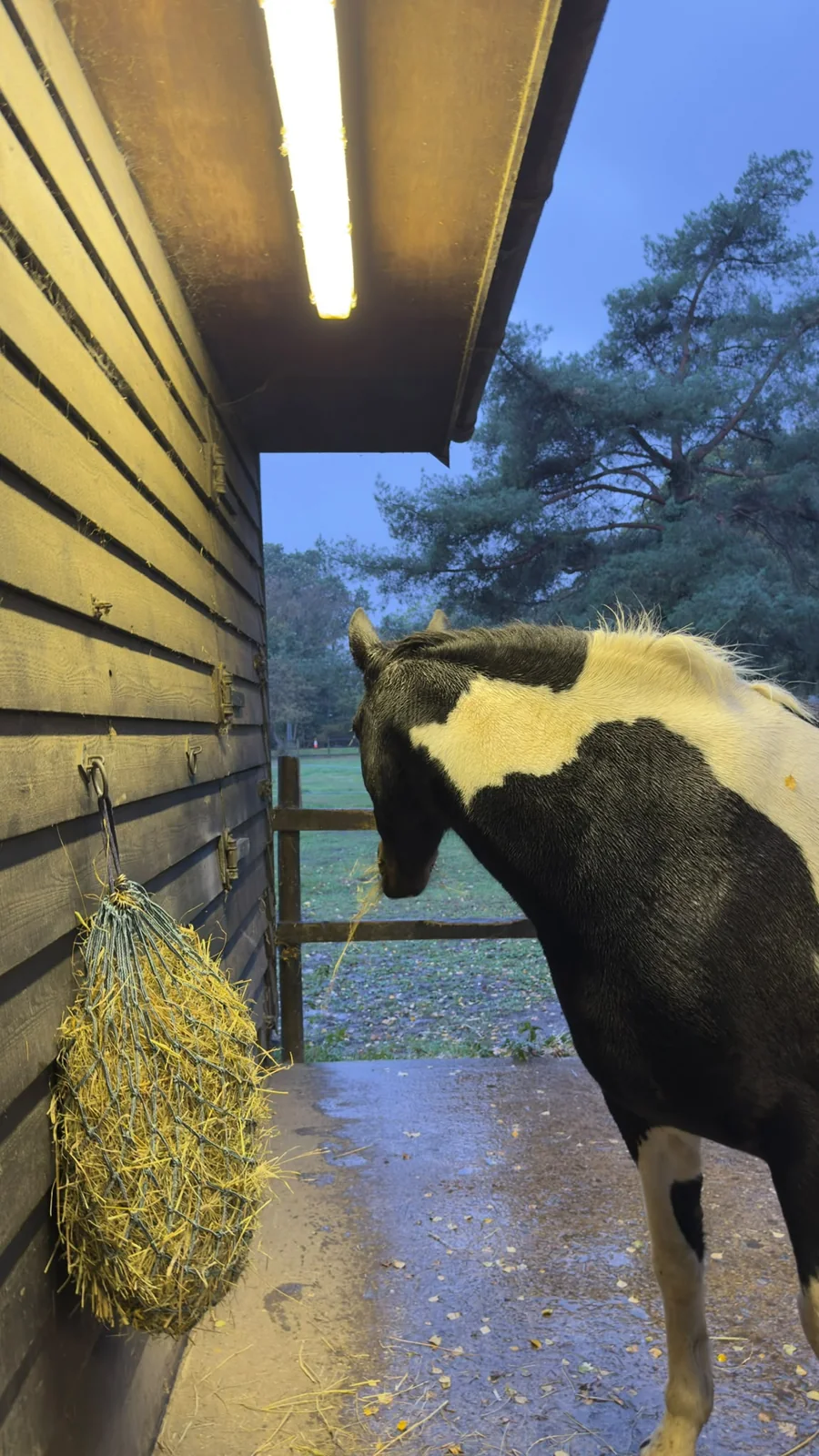
Ask what happens to turnout after rain
If you’re on livery, ask what happened after the last really wet week. Find out which fields or turnout options were available, who made the decision and how owners were told. If you manage your own yard, take a look at the areas that get the most traffic, especially gates and the approaches to water and shelter. Those are useful places to check again after heavy rain.
If the usual field is unavailable, talk through the arrangements for turnout or movement before the weather forces a decision. See the British Horse Society’s mud management guidance.
Make the evening rug decision
- Now. Check your horse and any rug they’re wearing. Consider their clip, coat, condition and whether they’ll be stabled or turned out.
- Tonight. Look at when rain, wind or a temperature change is expected, and consider the shelter your horse actually has.
- Tomorrow morning. Confirm who’s checking and when. If your horse needs a check before you can return, arrange cover.
A clipped horse in an exposed field and an unclipped horse with shelter can need different decisions in the same forecast. Use your hands-on checks and read the complete horse rugging guide for more detail. If a rug is rubbing or moving out of place, see how to measure and fit a horse rug.
Get forage, bedding and water sorted
- Forage. Note what you’re getting through in a normal week and how long your supplier usually needs to deliver. Check what your livery includes, where you can store any extra and who to call if a delivery is delayed.
- Bedding. Find out what’s included and where you can keep spare bags or bales. If you’re comparing options, look at what you use over a week and how long the bed takes to muck out.
- Water. Check where you’ll get clean, fresh water if the usual tap or supply freezes. Agree the backup with the yard and check that your horse has access to drinking water.
- Wet rugs. Find out where you can hang wet kit and which of your horse’s rugs are dry and ready to use. Follow the maker’s care instructions.
Make a riding plan you can change
Pick a window that fits your daylight, time and horse’s current workload. Check the ground and access before setting off. If you’ve booked an arena after a frost, ask the venue what the surface and approach are like before loading. If conditions make the ride unsuitable, change the plan. See the British Horse Society’s winter care guide for seasonal advice.
Frequently asked questions
Can I keep the same routine all winter?
Use a familiar routine as a starting point and agree what will happen if the ground, weather or your horse’s needs change. Keep the next check and who’s doing it clear.
What should I ask a yard about winter turnout?
Ask what turnout looked like in the last wet spell, what alternatives were available and how the yard lets owners know when arrangements change.
Does my horse need a heavier rug when it gets colder?
Check the individual horse and consider the conditions they’ll actually be in, including rain, wind and shelter. The British Horse Society’s rugging guidance explains what to consider.
What should I sort before the first frost?
Check your backup water supply, confirm who’s doing the next yard visit and see whether access or footing changes your plans.